The queen's death — and its cascade
The death of a queen in a hive has devastating effects. Without a queen, there are no eggs; without eggs, there are no new bees. Bees have a 42-day life span; without new bees, the hive quickly fails. The keeper typically doesn't notice until a routine inspection — by which time the colony is often past saving.
Temperature as health indicator
A healthy hive maintains a constant temperature in the mid-90s°F for excellent larva development. When a queen dies, bees no longer maintain this constant temperature profile. Adding a temperature sensor inside the hive alerts the beekeeper remotely when temperatures drop below critical levels — often days before visual inspection would catch the problem.
The real case study
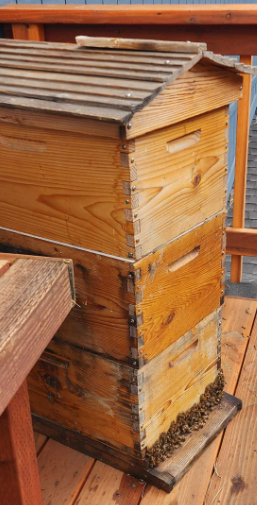
iMatrix installed temperature sensors in the middle of a Flow Hive and temperature/humidity sensors in the roof. Initial observations quickly showed the bees maintaining a relatively constant internal temperature. During winter in the Sierra — with heavy snow on the hive — the sensor data confirmed the colony was alive and healthy simply by the maintained internal temperature. Manual inspection in winter would have stressed the colony; the sensors eliminated the need.
The alert
iMatrix received text alerts when hive temperature sensors dropped below preset levels, allowing immediate review of hive history. Graphs showed the rapid decline in temperature as the bees stopped maintaining healthy brood temperatures — a clear signature of queen loss.
Deployment options
Sensors network and upload data via Wi-Fi Gateways. For hives out of Wi-Fi range, sensors connect to the iMatrix Mobile App on a tablet or phone using Virtual Gateway capability — scanning hives from a couple hundred feet away and uploading history to the cloud. Perfect for remote apiaries or mountain yards.